
Hiking Backpack for Kids
Going on a Hike with Your Kids? No Problem! The key to a successful hike with children is good preparation. Kids get hungry, thirsty, wet, and tired—and the list goes on! Their needs and the challenges you may encounter will naturally depend on their ages, but being well prepared can make all the difference.
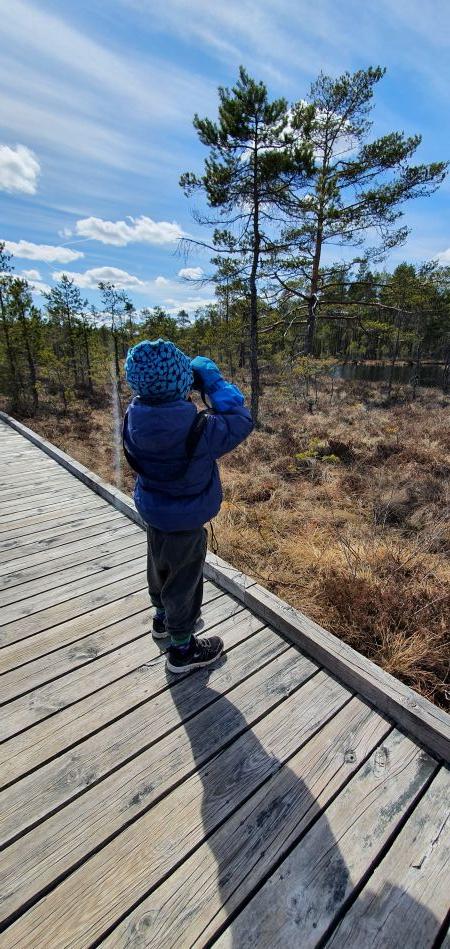
Take the time to plan together and include your children in the process. Talk to them about the hike and ask how they think you can best prepare for it. This is a great learning opportunity and can help them feel involved and excited about the adventure.
For younger children, especially 6 year olds and under, their backpacks should be very light. Small school backpacks may work well. However, be prepared to carry them yourself at some point during the hike. Young children might happily carry their packs for the first 30 minutes, but they can tire easily. They also love running around, which is much more fun without a backpack!
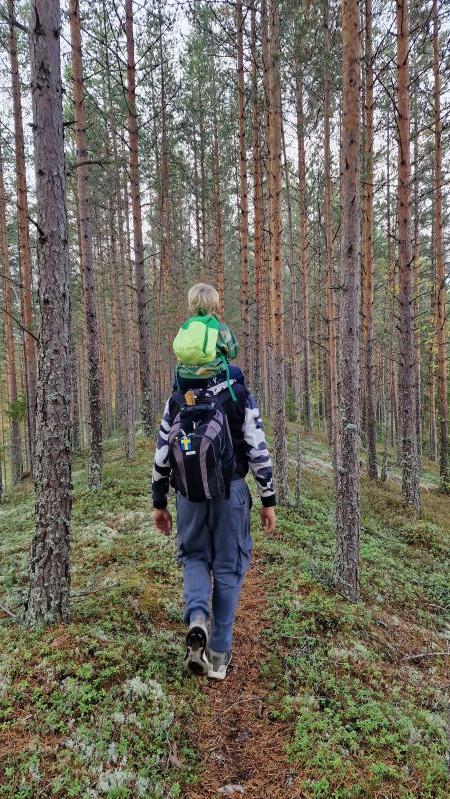
For longer hikes, keep the kids pack as light as possible. You should also leave some extra room in your own backpack in case you need to carry the backpacks of your little kids. As children get older, you can gradually increase the size of their backpacks. Make sure each backpack fits the child properly and is the perfect size for the planned hike.
You usually do not need to carry very much on a day hike. The best day packs are compact, comfortable, and lightweight. Ultimately, the best hiking backpacks for children are the ones that fit well without being too big or too heavy.
Choose a Hiking Backpack Your Kid Will Actually Wear
Choosing a hiking backpack for your child starts with a few questions:
- How long will your hike be?
- How old is your child?
- What time of day will you hike?
- What will the weather be like?
- What will you need to bring?
If your child loves colors and designs, let them choose a backpack they like. A favorite picture or color may make them more excited to carry it and show it to their friends.
For older kids, a comfortable fit and external pockets may matter more than the color. They may also prefer a design that looks like a pack for more experienced hikers. The best backpacking backpack for your child is one they enjoy using.
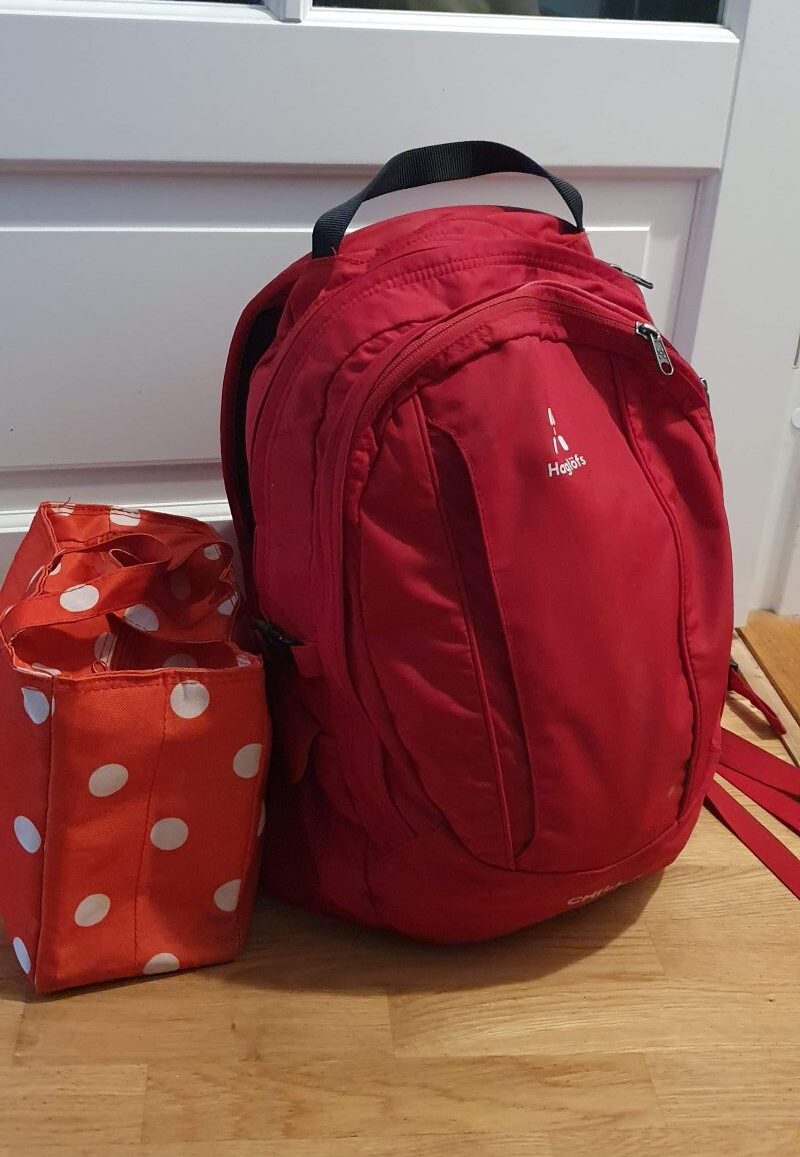
In my experience, younger kids often don’t need or want to carry a backpack. Around age eight or nine, they may be ready to carry their own pack for a short hike of about an hour. For slightly older kids, around age twelve, this may no longer be a problem, especially if they’re used to spending time outdoors.
Include your child in the decision. Kids know what they like and dislike, and your guidance can help them choose from the best packs for their needs.
Whatever pack they choose, light weight is key. If they’re carrying too much, even a comfortable backpack won’t make the hike enjoyable. Smaller packs can help you pack wisely and bring only the essentials you need.
Depending on your answers to the five questions above, consider packing:
- A water bottle
- Snacks and enough food for the hike
- A warm sweater
- Toilet paper
- Extra dry socks
- Bandages
- Rain covers or a light jacket
- A mosquito head net, if needed
A comfortable pack and a manageable load can help your child have a happy hiking experience—and look forward to the next one.
Kids Hiking Gear That Makes Trails Fun Not Painful
Whether you’re hiking as a family or with friends, make sure no one is uncomfortable because of what they’re wearing or carrying. If a child’s shoes hurt or their backpack feels too heavy, they may remember the discomfort more than the trail and be less eager to hike again. Those first outings help shape how your child feels about hiking, so give them a chance to enjoy being in nature.
Before you head out, ask your kids what they’d like to pack and wear. You’ll make the final decisions, but giving them a say helps them feel involved. Comfortable clothes matter: wet feet or a hungry stomach can quickly spoil a hike.
For younger kids, choose:
- Light, comfortable clothes with room to move.
- Comfortable, well-fitting shoes that aren’t too small and can handle wet conditions.
Once they’re dressed, you can teach them a simple way to pack:
- Put the heaviest items, such as water and food, close to their back.
- Place medium-weight items, such as a jacket and first-aid supplies, in the center.
- Keep light items, such as a hat or small toy, on top or in the external pockets.
This keeps the weight close to their body so the backpack is less likely to pull backward. Even a six-year-old can help pack this way, whether or not they’re ready to carry the backpack for the whole hike.
For longer trips, some packs have loops or straps for gear that won’t fit inside, such as trekking poles, a small camp chair, or a sleeping bag in a stuff sack. Keep anything attached to the outside light and secure so it doesn’t swing or bounce as your child walks.
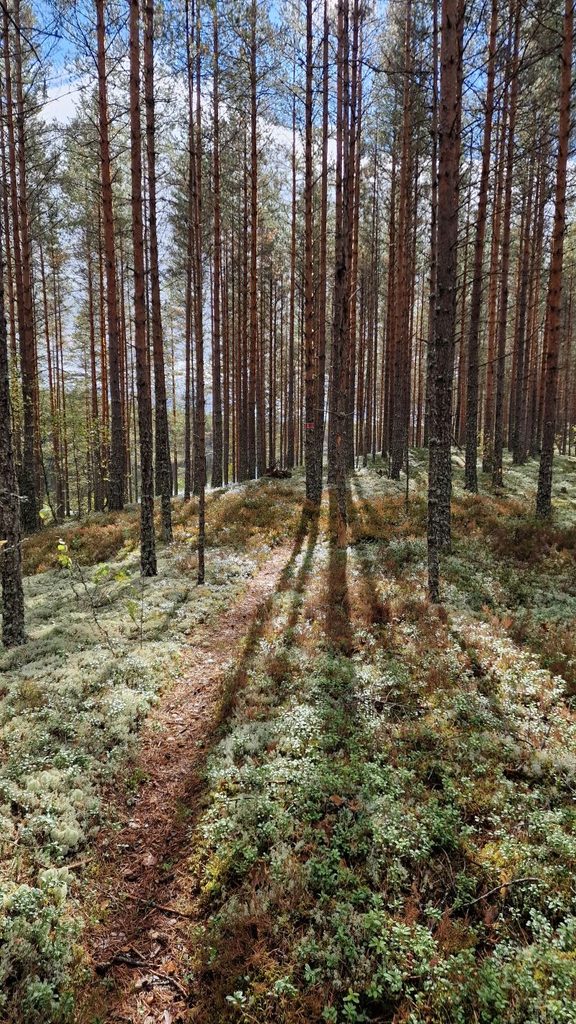
A kids’ backpack should be practical, easy to use, comfortable, and something your child is happy to wear. There are many great options out there, and the easiest way to find the right fit is to try a few.
Once you start hiking together, you’ll discover what you forgot and what you didn’t need. Each trip gives you a chance to adjust. By the next hike, you’ll have a better idea of the essentials your family needs for a fun, comfortable day on the trail.
Kids Hiking Backpacks That End the Whining for Good
For a successful hike with kids, I think the most important thing is simple: they need to feel good. They need to feel cared for, with their basic needs met. A backpack matters, but it cannot make up for sore feet, thirst, or hunger.
When choosing a backpack for your own kids, look for one that feels good for them to carry. It should be practical and comfortable, without being too big or too small. Adjustable shoulder straps help you fit the pack to your child’s size. Have them try it on with a few items inside and walk around before you take it on a trail. A backpack that feels fine when empty may feel different once it holds water and a jacket.
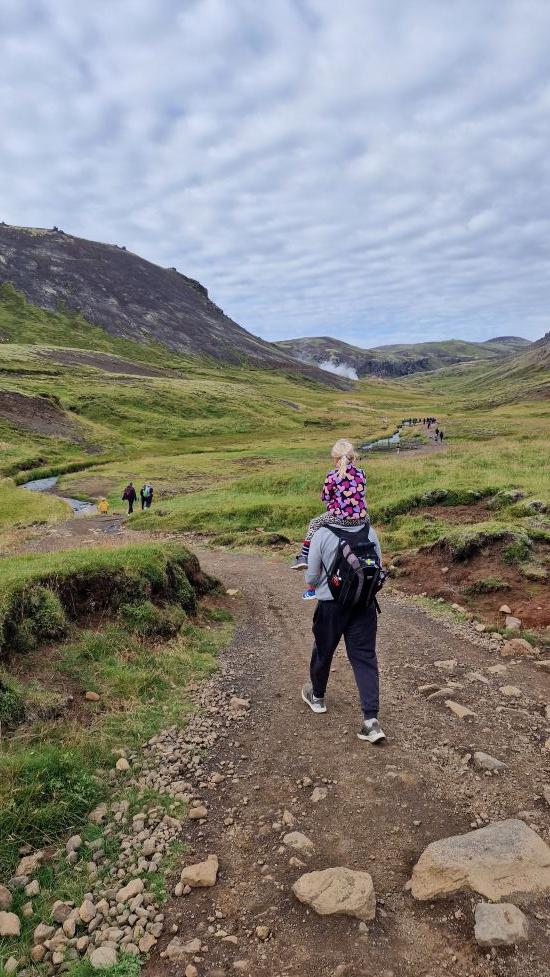
Kids can get tired or uncomfortable during a hike, so check in with them along the way. If something is rubbing, slipping, or feeling too heavy, stop and adjust it. When children are comfortable and their needs are met, they’re much more likely to enjoy their time outdoors.
What they need will also change with the season. At a summer camp or on a warm-weather hike, a light pack with breathable padding may feel more comfortable than a heavier one. You might consider a water bladder that fits inside the backpack, with a drinking tube your child can use while walking. Make sure they know how to use it and that you can tell when it needs refilling.
My experience comes mainly from shorter trails, where food and water are the essentials I think about first. Bring more snacks than you expect to need and offer them before your child gets very hungry. If their pack starts to feel too heavy, carry some of the food and water yourself. The aim is for your child to enjoy the hike and feel ready to go again.
Make Room for Breaks and Discovery
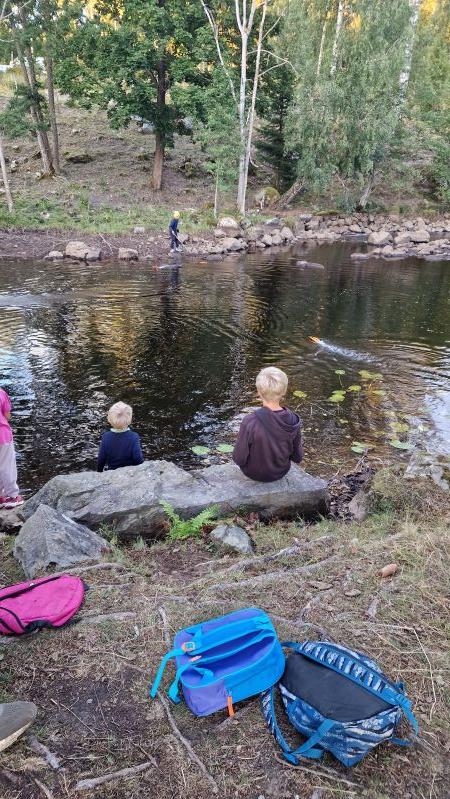
Now that you have everything you need for the hike and have started walking, be prepared to take regular breaks. Give your kids room to discover nature along the way. I can almost guarantee that they’ll find something fun to explore. Maybe they’ll spot blueberries to pick and eat, or find a beautiful lake where they want to stop and play.
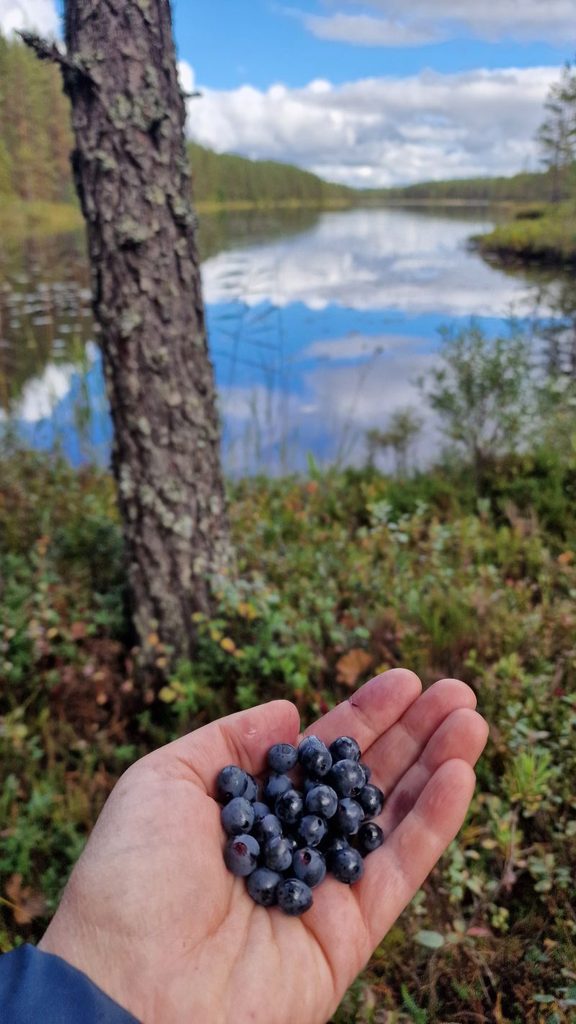
There are so many beautiful and exciting places to visit in nature. That’s why there’s no need to rush when hiking with kids. As parents, we need to put ourselves in a slower frame of mind. Try to let go of the things that need to get done at home and whatever is causing you stress. The hike can be a pleasure for you, too, as you bring your worries to God, as 1 Peter 5:7 encourages us to do.
This is also a good time to practice mindfulness and allow yourself to be present. Enjoy the beautiful nature and fresh air. Maybe you’ll have a conversation with your spouse or a friend who has joined the hike. Let yourself feel less stressed, and allow things to happen spontaneously.
These can be the best hikes: the ones where you don’t have too many expectations and you aren’t hurrying. Kids need time, and so do you. Making room for discovery, experimenting, investigating, and enjoying each other’s company can make the hike memorable. It can leave you with a warm feeling when you look back on the experience you shared—happy moments to remember for life.
My wish is that you’ll have many hikes like this together and help your children build a habit of enjoying nature. I hope they’ll return to it again and again throughout their lives, on their own and perhaps with their future families. It’s a habit that can stay with them for life.
