
Teaching Responsibility Through Gardening in Homeschool
Why Gardening Is a Powerful Tool for Teaching Responsibility
Gardening is a wonderful way to teach responsibility because it cultivates discipline. It provides many hands-on experiences for children, which makes it especially valuable for homeschooling families.
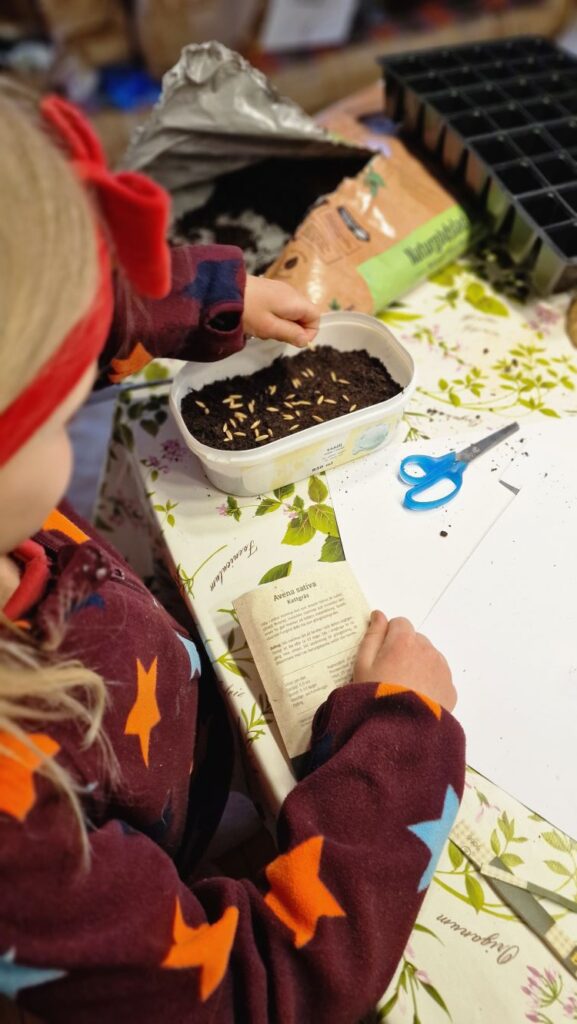
Nature follows certain laws that must be respected in order to achieve the results you want. Different plants have different needs, and as you begin cultivating and studying plant growth, you become familiar with those needs. This process teaches children that consistent care and attention are necessary for growth.
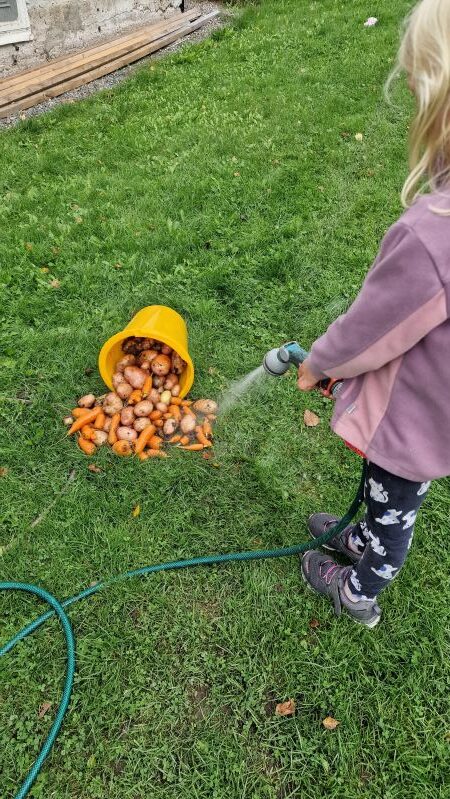
For example, in my blog post about growing an avocado with kids, I explain how rewarding the experience can be. In order to see the plant grow from a seed, you need to plant the avocado seed in soil, water it regularly, and patiently wait. This waiting process requires patience, but the excitement of seeing the seed crack open and noticing the daily growth of the plant is incredibly rewarding.
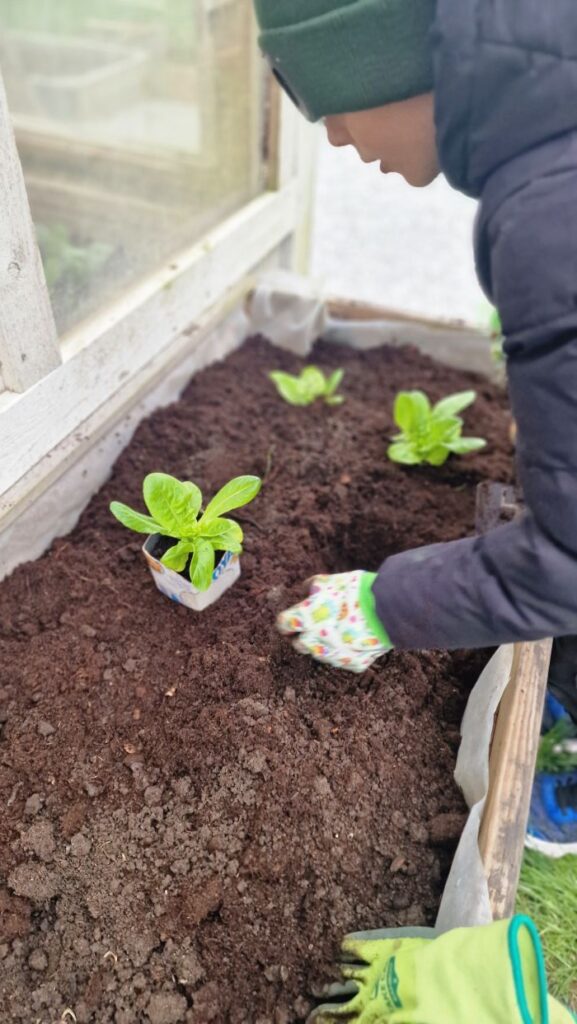
By doing the right kind of work, children experience the fruits of their labor. This cycle—working, waiting, and harvesting—is a powerful way to cultivate essential life skills that will stay with them for the rest of their lives.
For more inspiration on teaching kids responsibility, read the blog post Best Free Printable Chore Charts for Kids to Encourage Responsibility and Make Household Tasks Fun.
Age-Appropriate Garden Tasks for Different Learning Stages
All ages can be included in gardening tasks, but older kids usually find it easier to follow instructions and complete the work correctly. Toddlers love to be part of everything, and they especially love the hands-on way. Let them join you and be okay with it. You don’t have to give them access to everything — boundaries are good too — but don’t make it too difficult for them to participate. And be prepared for things to get messy.
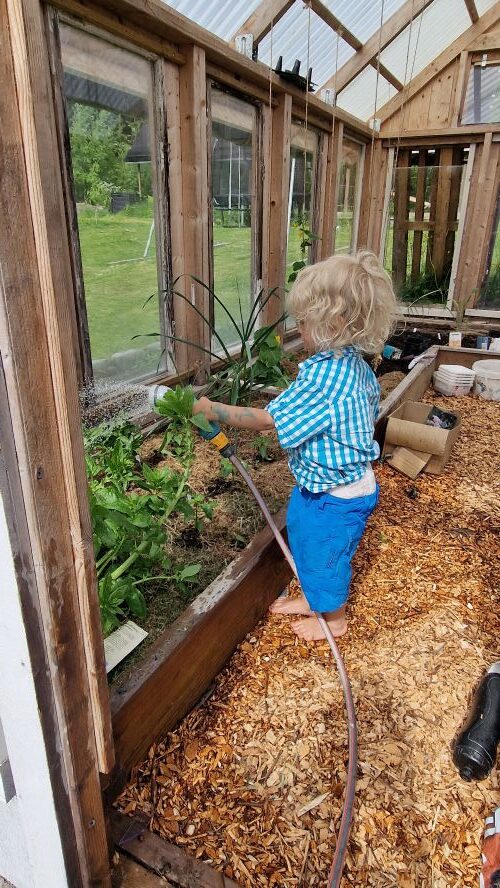
I think we mothers can make things easier for ourselves — and for our toddlers — if we create an environment where we’re not stressed about the mess. Being outdoors, for example, makes it much easier when things get messy. Preparing a space indoors where you can work with your child will also help. Working with soil, seeds, and water can easily become messy, and if you want to have fun, make space for the messy moments. Try to see the joy in it and enjoy the process of your child experimenting and learning.
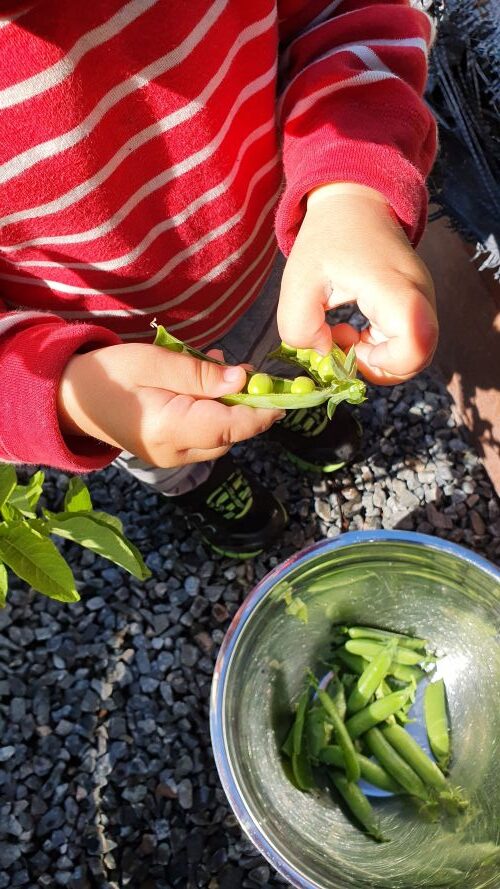
For older children in the elementary years, gardening tends to be less messy, and they usually have a stronger sense of responsibility in their work. These children can be given more responsibility and perhaps even their own gardening space where they are free to work more independently. Of course, as always, make sure the children are safe and know how to work safely.
Creating a Daily and Weekly Garden Care Routine
The best way to establish a clear routine in your gardening is to first know what you want in your garden and what you want to grow. If you are interested in having a glasshouse for plants, you can read about it in my other blog post [here]. Keeping a garden journal will also help you track your progress and learn through doing the actual work. Once you know what you want in your garden and what needs to be done, you can create a daily and weekly garden care routine. It will take some planning and time to think it through — and that’s perfectly fine. Give yourself the time you need.
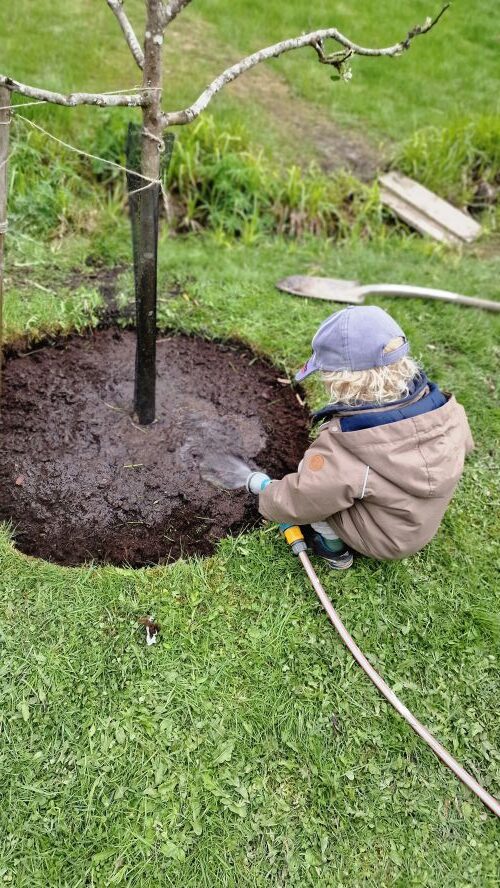
In Iceland, we have a saying: Good things happen slowly — and it’s such a helpful reminder! Little by little, you may have a small space that you cultivate, and you can start giving your family members some work and responsibility in the garden. Gardening is a wonderful opportunity to teach important life skills. You don’t need to worry about giving your children too much work — they need it more than you think! If you want to include some gardening tasks in a chore chart, you can get your free PDF from the blog post Kid’s Weekly Chore Chart.
Turning Mistakes into Learning Opportunities in the Garden
Are there any mistakes in the home garden? I prefer to think of them as opportunities for learning rather than mistakes. Every misstep holds valuable life lessons, doesn’t it? Teach your children the same mindset and turn their “mistakes” into great opportunities for learning. For me, mistakes help me see things more clearly and understand what needs to be done differently.
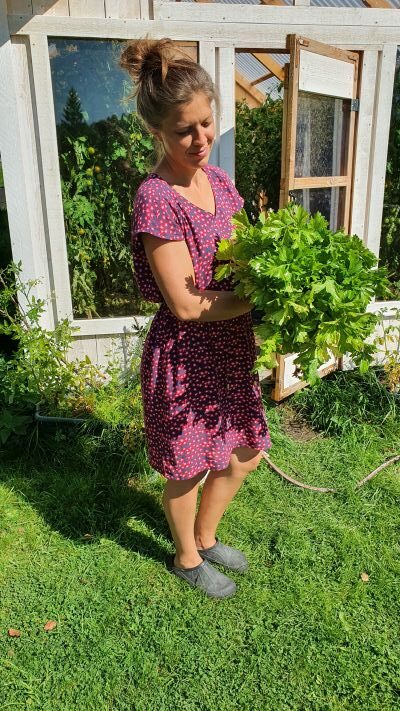
The natural world is full of learning opportunities. You will begin to understand that plants need consistent care and notice the big difference between a healthy plant and an unhealthy one. Sometimes, only small changes are needed to achieve the results you want.
Connecting Gardening to Science, Math, and Life Skills
One thing we have in our garden is a compost pile, which is an excellent way to learn how nature recycles organic matter and creates new soil for our plants. We also use grass clippings to cover new plant soil, helping plants grow better while learning about natural fertilizers. Gardening gives us many opportunities to practice math, such as counting plants in a row, measuring spacing, or keeping track of plant growth.
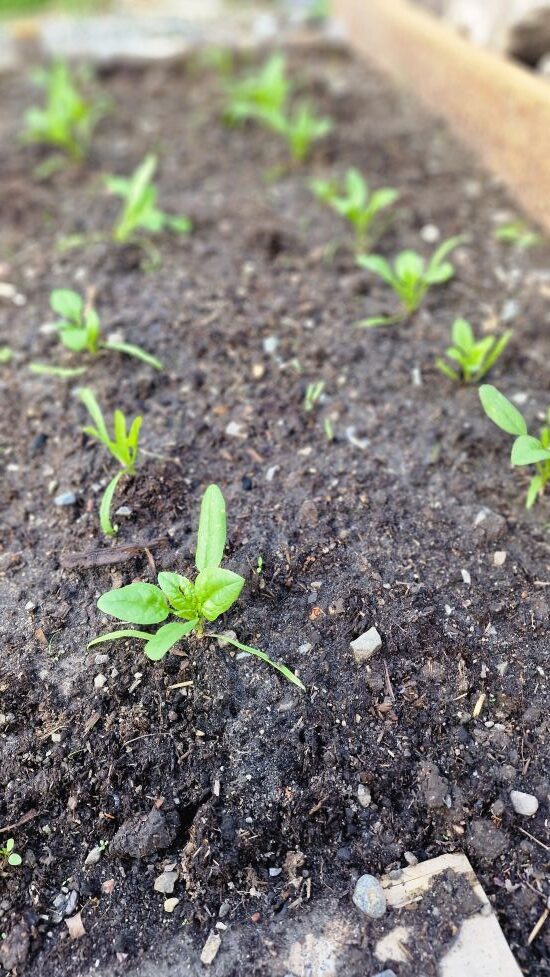
Science skills are developed through observing insects, identifying which are helpful or harmful, and understanding how plants grow. Gardening also teaches important life skills, like responsibility, patience, teamwork, and problem-solving. We learn to plan our garden, care for living things, and see how our actions directly affect the results.
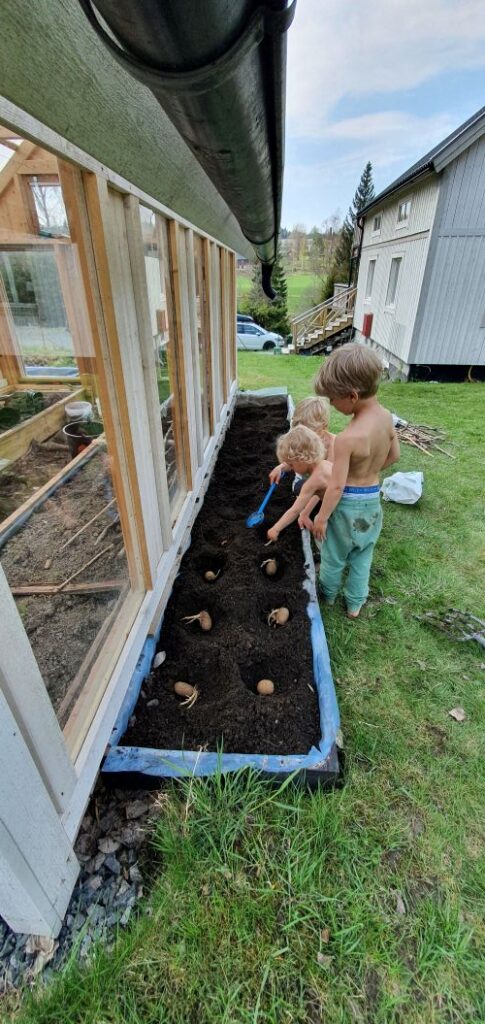
Other ways gardening can increase science, math, and life skills include:
- Recording weather patterns and their effect on plants (science & observation).
- Estimating how much water or fertilizer plants need (math & measurement).
- Designing garden layouts and keeping schedules (planning & organization).
- Comparing growth rates of different plants (data collection & analysis).
Harvest Time: Celebrating Effort, Patience, and Accountability
I love harvest time! All the hard work has now given you plenty of your own food — healthy and good for your body. The sense of accomplishment is amazing. The hands-on learning for children in this kind of environment is also such a joy. Just imagine having your own apple tree where all the young children can run and pick an apple to eat with you in the garden. I mean — that is such a wonderful experience!
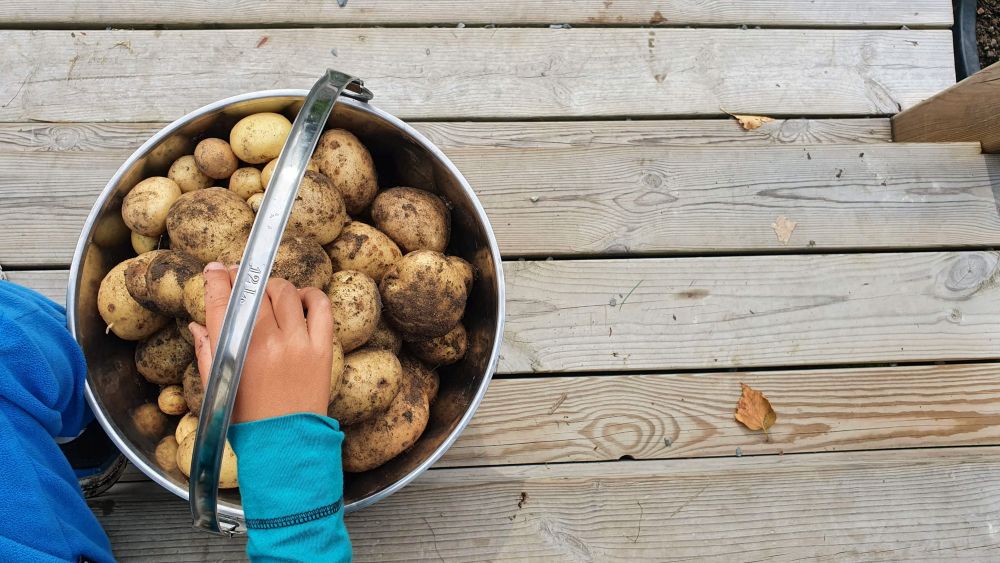
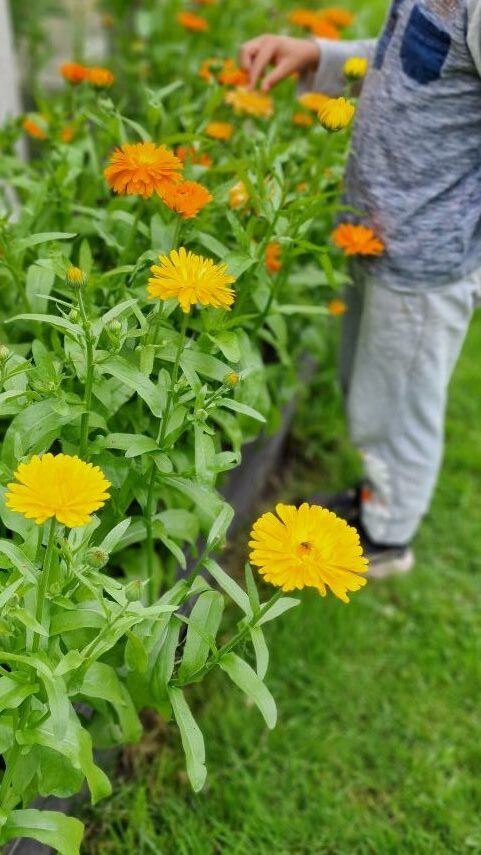
We have been growing a lot of things in our garden, and some of the easiest for the kids to harvest are calendula flowers, potatoes, tomatoes, cucumbers, spinach, apples, plums, and more. When children harvest and start to understand the entire process — from sowing the seed to eating the fruit or vegetable — they learn these important life lessons.
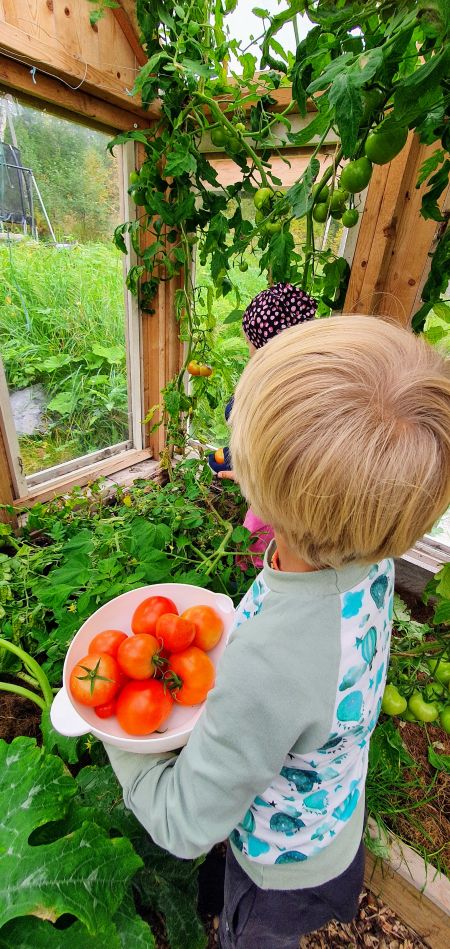
For me, I hope that having your own garden will increase your mental well-being. The physical activity, together with all the garden projects, can truly be a blessing and help you develop a love for gardening.
Other Blog Posts You Might Enjoy
What Do Garlic Plants Look Like?
