
How to Harvest Celery
How to Grow Celery from Seed: Sowing and Transplanting Tips
Growing celery from seed takes a long time—and plenty of patience! If you have grown celery before, you probably already know how slowly those tiny seedlings develop. Don’t be discouraged if they seem to take forever.
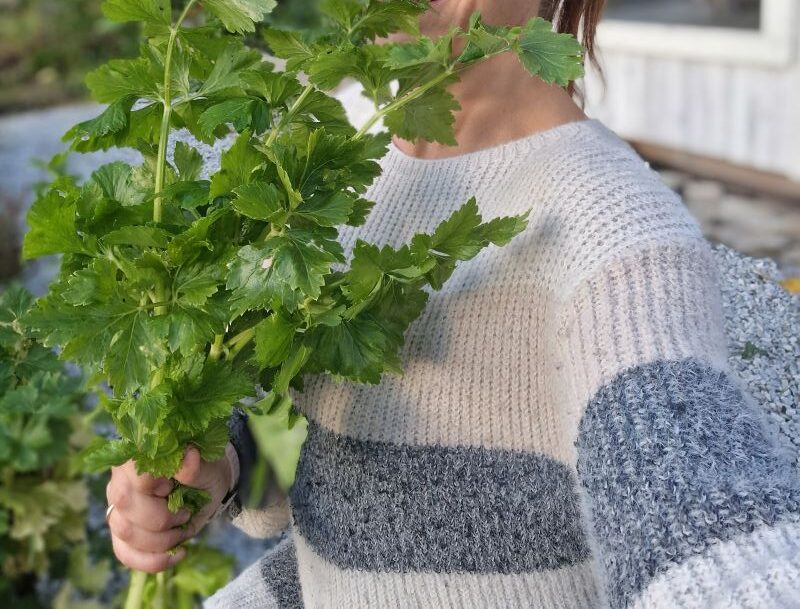
I usually start my celery seeds in January or February. Indoors, of course, because it is far too cold outside at that time of year where I live! This gives the plants an early start, although the best sowing time will depend on your climate and the variety you are growing. If you sow during the darker winter months, a grow light can help the seedlings get enough light.
To help keep the compost moist during germination, you can loosely cover your seed trays with a clear plastic bag. Leave a few small openings for ventilation and keep the trays somewhere warm. Remove the covering once the seedlings emerge, and keep the compost moist without making it soggy.
Once the celery seedlings are large enough to handle and have developed several true leaves, I transplant them into individual pots or small containers. Empty milk cartons are useful for this! They make practical little plant pots and give the roots room to develop.
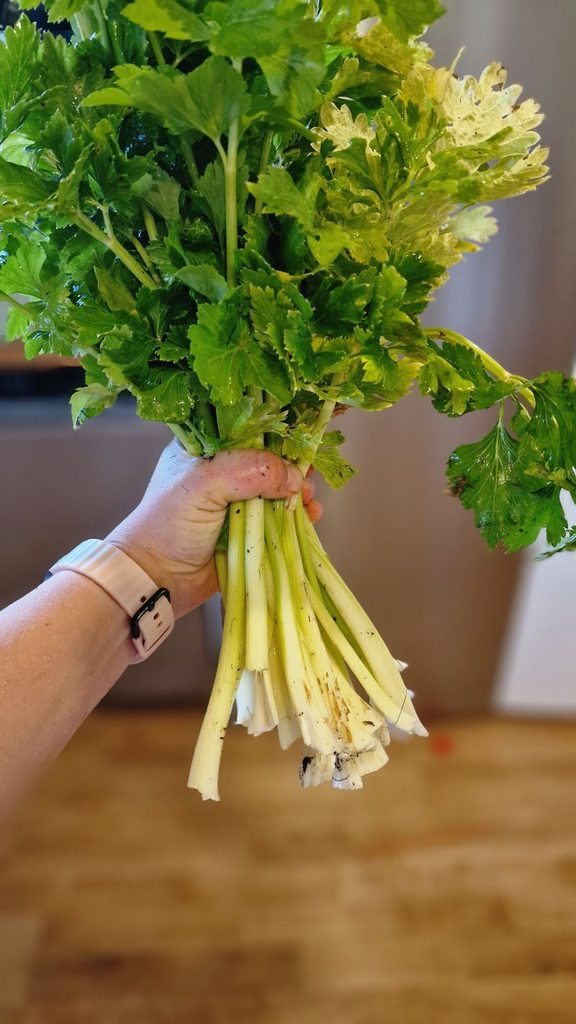
The next step is moving the celery plants outdoors. I wait until the young plants look sturdy, the weather has warmed up and the risk of frost has passed. A few degrees above freezing is still too cold for young celery plants, so pay attention to nighttime temperatures as well as daytime warmth.
I usually plant mine out in late May or early June, when the weather is more settled. I transplant the entire plant, keeping the root ball intact, into a sunny raised bed with fertile soil enriched with compost. Celery needs consistent moisture, so regular watering is especially important once the plants are outdoors. The plants thrive in full sun.
You can spend a few days getting the plants used to outdoor conditions, but I usually don’t bother, and it has worked out well most of the time. With experience, you learn when it’s time to plant them outside. However, hardening off helps the plants adjust to sun, wind and changing temperatures. With practice, you get a better feel for when it’s the right time to move your celery outside—and when it is worth waiting a little longer.
Celery Plant Care: Feeding and Harvesting Tips
Celery plants have a long growing season, so they need fertile, well-drained soil, consistent watering and, where needed, a little extra feeding along the way. Giving them a good start is important, but it also helps to keep an eye on how they develop throughout the season.
I have used grass clippings around my celery plants, but I suspect I planted them too close together and that they needed more nutrients. The celery leaves looked a little pale rather than fresh and green, and the celery stalks did not become as thick and sturdy as I had hoped. These observations make me think I need to pay more attention to spacing and feeding next time.
One thing I really appreciate about celery is how resilient it has been in my garden. Slugs and other small garden pests have caused very little damage to my plants. When you are busy battling slugs elsewhere in an ever-growing vegetable garden, it is such a relief to have a crop that has stayed relatively untouched! I still keep a little eye on the plants, especially while they are young, because celery can suffer from pest damage too.
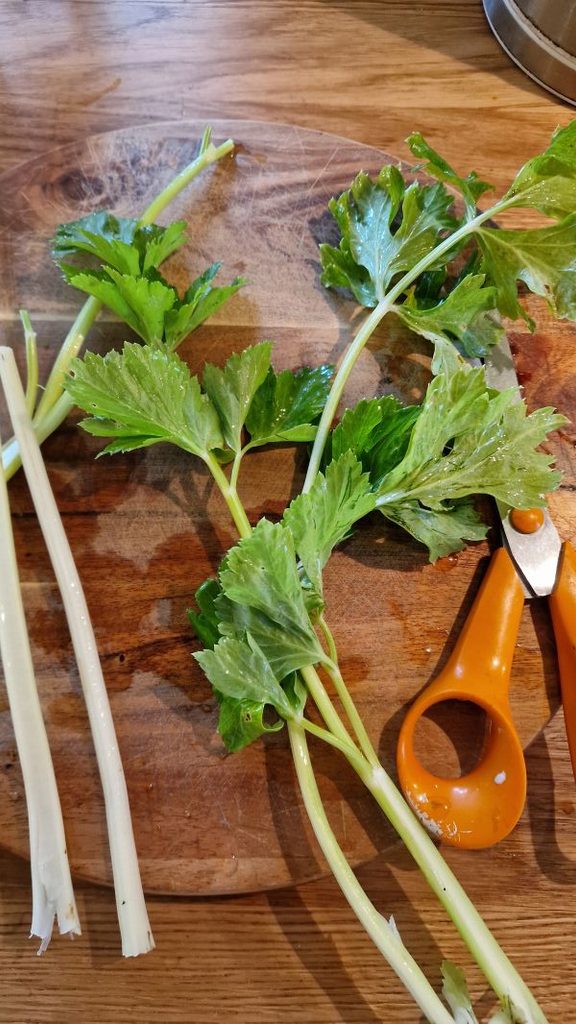
Once the stalks are large enough to be worth picking, you can begin harvesting a few outer stalks for cooking. Cut them carefully near the base, leaving the inner stalks and central growing point intact. Take only a few at a time, leaving plenty of leafy growth to support the plant as it continues developing. You can either use secateurs or gently break off the stalks one at a time. Just be careful not to pull up the celery root as well!
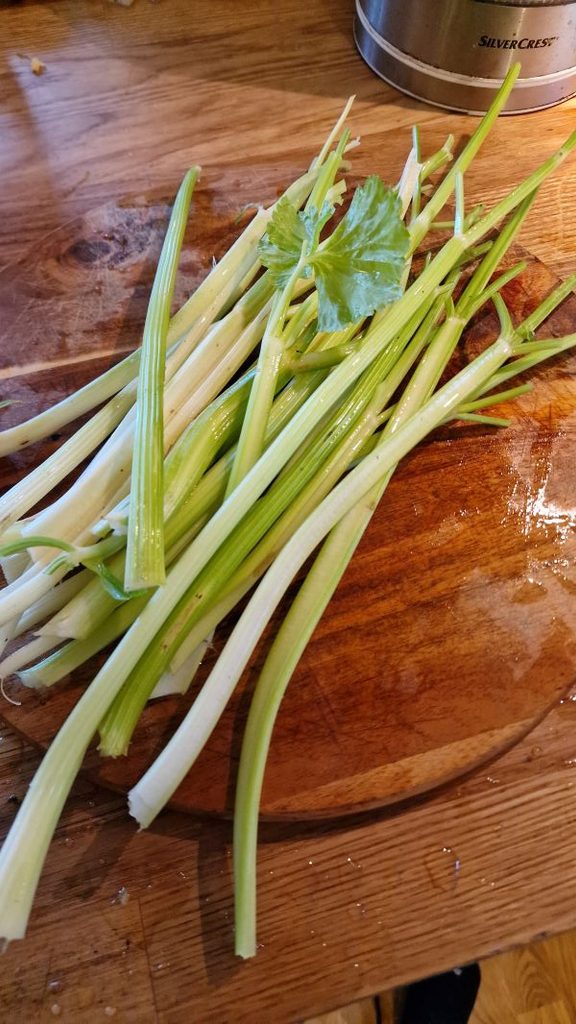
You can also wait until the celery is fully grown and harvest the whole plant. If you lift it with the roots attached, simply trim off the roots and give the celery a good rinse before using it in the kitchen.
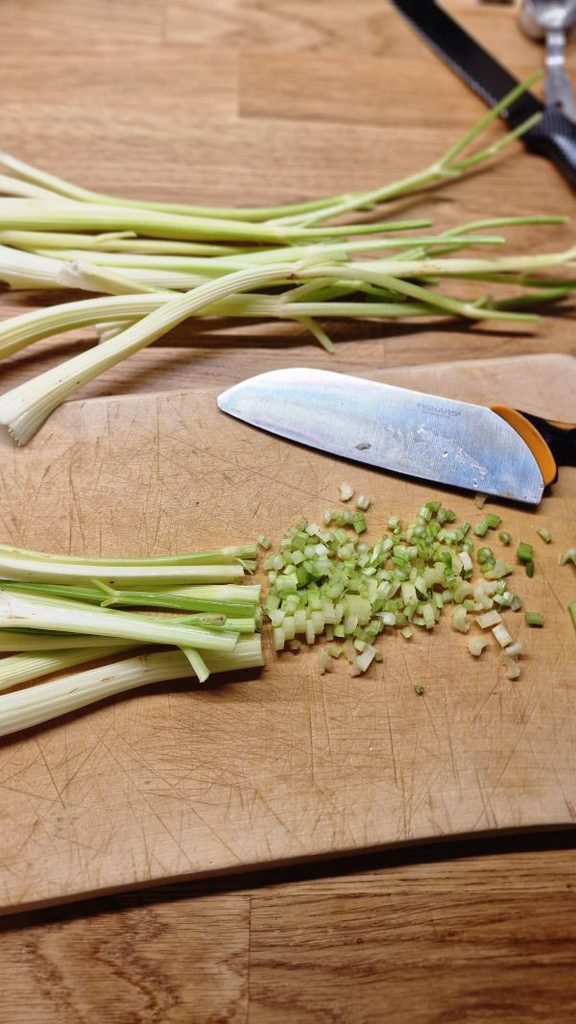
What I love most about homegrown celery is being able to pick a little whenever I need it. A few stalks can go straight from the garden into a soup, stew or salad, without sitting in the fridge waiting to be used. The leaves can also add flavour to soups and stocks.
That is one of the pleasures of having a vegetable garden: it feels like a living pantry, and you’ll rely less on grocery stores at the same time. While the plants are healthy and the weather allows, you can leave them growing and harvest what you need. Keep them watered, provide nutrients when necessary, and enjoy having fresh vegetables just outside your door.
When it comes to companion planting, I grew celery alongside strawberries, peas, onions and leeks in the same raised bed. The bed was in a sunny spot in my garden, and everything grew really well together!
If you leave the celery plant in the ground until next year and it survives the winter, it will usually flower and produce seeds. The celery stalks can still be harvested, but they tend to become more fibrous and bitter as flowering begins.
What to Do with Celery: Freezing Tips and Recipe Ideas
You might have a bumper harvest but still have no clue how to store celery! Luckily, there are several easy ways to enjoy your harvest. Below, you will find three recipes to try—but first, let’s start with a simple option: freezing it for later.
Freezing celery is a useful way to preserve a large harvest when you cannot use everything right away. Wash the stalks thoroughly, trim them and cut them into small pieces or slices.
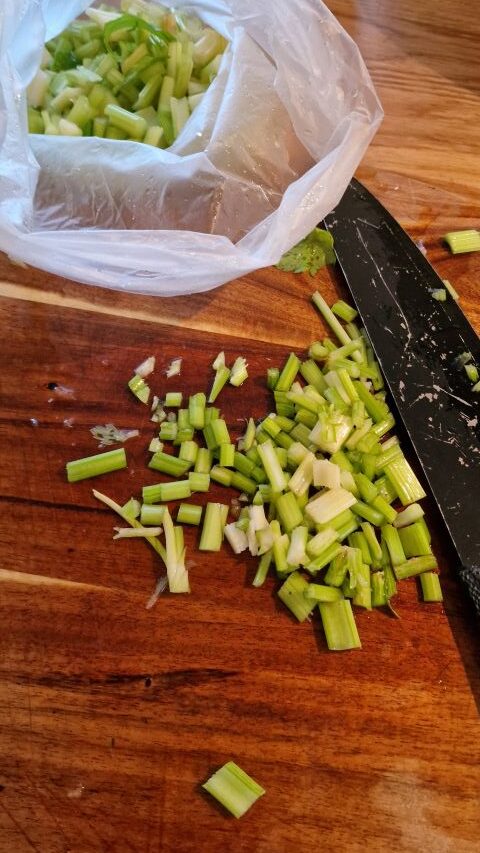
Pack washed and chopped raw celery into airtight freezer bags or containers and aim to use it within three months for best quality. This is a great way to store celery for later use.
Small portions make it easier to take out just what you need. Remember to label each bag or container with the date. Frozen celery loses its crunch, so save it for cooked dishes such as soups, stews and pasta sauces.
You can harvest the whole plant and freeze any celery you do not use immediately, or pick individual stalks here and there as you need them. And when you want to enjoy your fresh celery, the following three recipes will give you a few tasty ideas!
The best way to use your celery is in dishes that you and your family enjoy. Think about what your children like to eat, as well as your own favourite foods. Celery has a distinctive, quite strong flavour, so finding the right recipe can make all the difference. Try a few different ways of preparing it and see which dishes become favourites at your table!
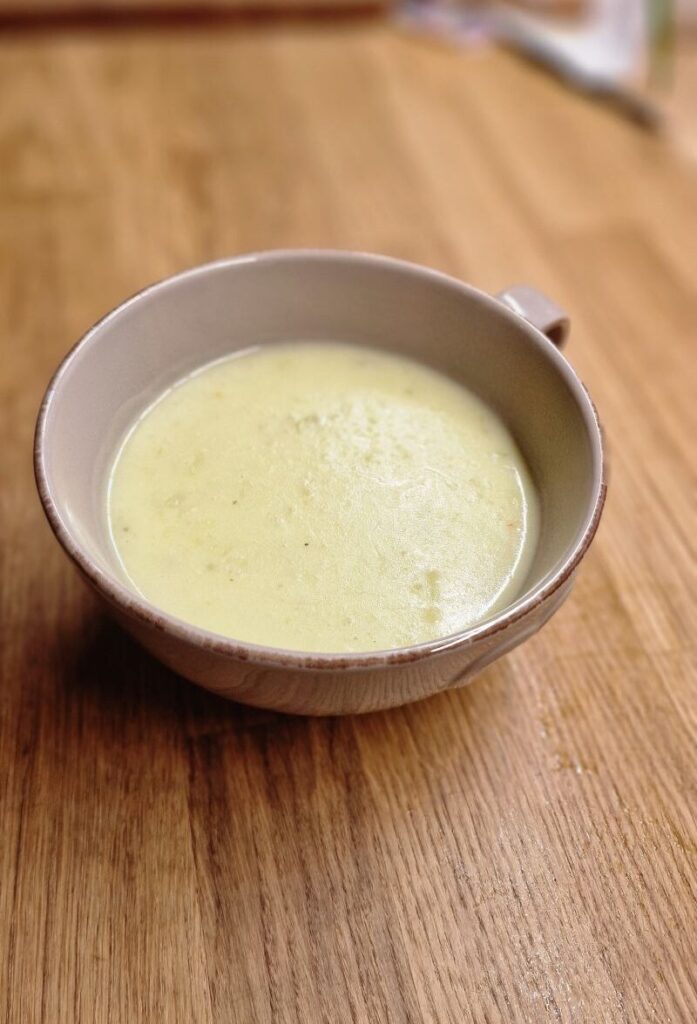
Creamy celery soup
Ingredients:
- 4 celery stalks
- 2 potatoes
- 1 small onion
- 500 ml vegetable stock
- 100 ml cream
- 1 tbsp oil
- Salt and pepper
Method: Chop the celery and onion. Peel and dice the potatoes. Sauté everything in the oil for a few minutes. Add the stock and simmer for about 15 minutes, until the potatoes are tender. Blend until smooth, stir in the cream and heat through. Season with salt and pepper.
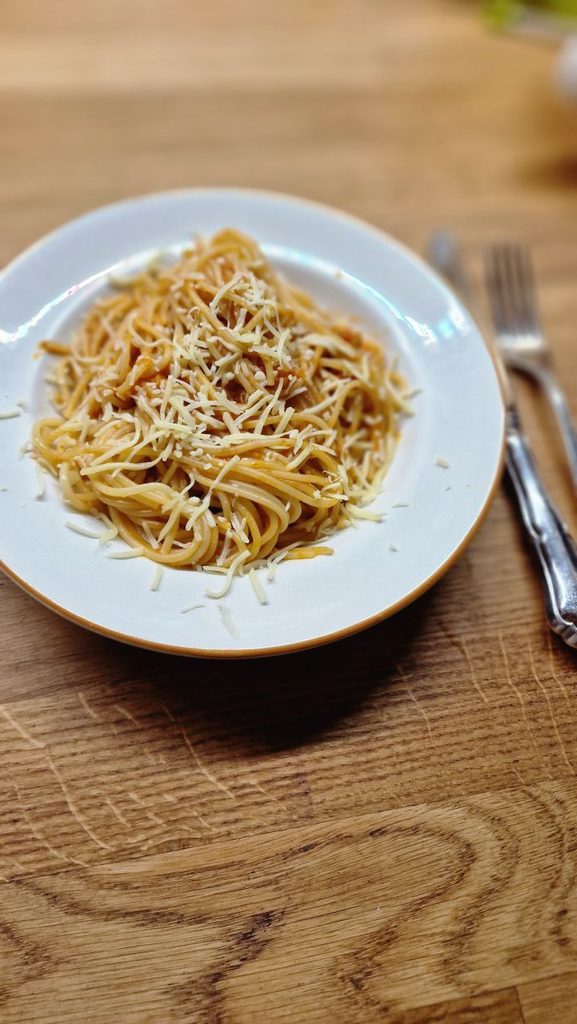
Pasta with celery and tomatoes
Serves 2
Ingredients:
- 200 g pasta
- 3 celery stalks
- 2 garlic cloves
- 400 g canned chopped tomatoes
- 1 tbsp olive oil
- 1 tsp dried oregano
- Salt and pepper
- Grated Parmesan or another cheese of your choice
Method:
- Cook the pasta according to the packet instructions.
- Thinly slice the celery and finely chop the garlic.
- Sauté the celery in the olive oil for about 5 minutes. Add the garlic and cook for another minute.
- Add the tomatoes and oregano. Simmer for 10 minutes, then season with salt and pepper.
- Toss the pasta with the sauce and top with grated cheese.
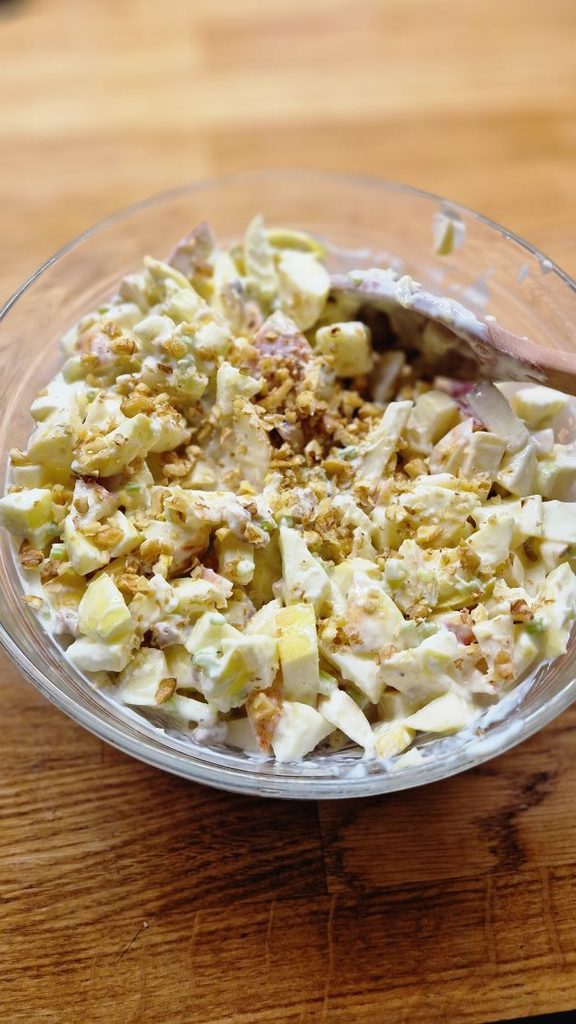
Celery, apple and walnut salad
Ingredients:
- 3 celery stalks
- 1 apple
- A small handful of walnuts (½ dl)
- 50 ml plain yoghurt
- 1 tsp Dijon mustard
- 1 tsp honey
- 2 tsp lemon juice
- Salt and pepper
Method: Thinly slice the celery and dice the apple. Mix the yoghurt, mustard, honey and lemon juice to make a dressing. Stir in the celery and apple, season to taste and sprinkle with roughly chopped walnuts. Serve as a side dish or with bread.
Just a quick note: the photos show my own versions of the dishes. I used the recipes as a base and didn’t follow the measurements exactly, but everything turned out really well and tasted delicious! Even now that we’ve moved past early fall, we’re still enjoying our homegrown celery. Those flavorful stalks add a wonderful depth of flavor to our meals! Yay for garden-grown celery!
