
How to Plant Squash Seeds: A Learning Experience for Kids
Do you want your own vegetable garden with various squash plants? Then you have come to the right place! Welcome to my little corner of the internet. I hope you will learn something new here! The pictures are from my garden. If you want to read about different kinds of squash plants, please check out my previous blog post.

Choosing the Seeds
First, you will need to buy the seeds you want to grow. I recommend buying only the seeds that will produce the fruit you know you will eat. Of course, you can buy other seeds too, but when you put in all the work, you want to enjoy the harvest, right? There is a wide range of squash seeds to pick from, and probably many types of squash you are interested in eating. For example you have the summer squashes and also the winter squashes.
In my previous blog post about different kinds of squash plants, I shared some of the squash plants that I have cultivated in my garden. For example, I had never tasted pattypan squash before I cultivated this type. Therefore, you can also grow food for fun, not just for consumption. The main thing is that YOU enjoy what you are doing.
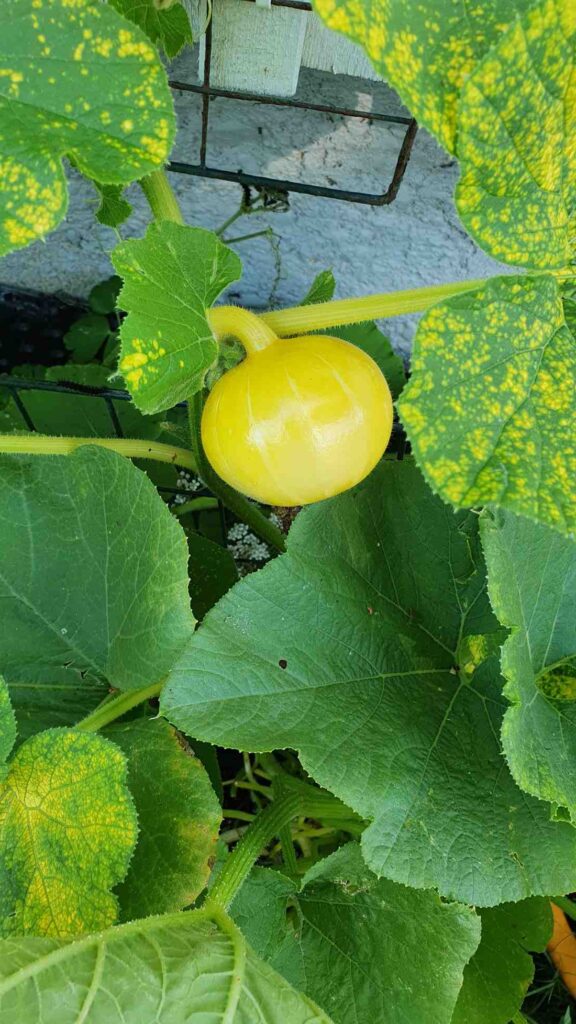
By the way, the patty pans were super fun to cultivate. They look funny, and the plants are amazing. The taste was interesting, though. I do not exactly remember how it tasted, but it was a bit neutral in my opinion. It did not have much flavor. Therefore, I do not know if I want to make the effort to grow it again. This is why I recommend sowing only the seeds that you know you will want to eat.
Planting the Squash Seeds
Here is what you need to start planting the seeds:
- Squash seeds of different kinds
- Small and large pots
- Garden beds or a sunny spot in your garden with space for big squash plants (they need a lot of space when they grow)
- Fertile soil
- Small and large shovels and a garden fork
- Optional: Gardening gloves
Decide if you want to pre-cultivate or not. By that, I mean sowing the seeds indoors about four weeks before planting the squash seedlings in your garden. The point of pre-cultivation is not to give you more work but to let the young seedlings grow faster and give you a larger harvest in late summer. The benefits of pre-cultivation include avoiding pests that can easily eat the young plants growing outside in your garden beds. Pre-cultivation will also give you a head start when growing your squash plants!

After pre-cultivating the squash plants and moving them to your garden, the transplanted seedlings are bigger and more resilient to insect pests and snails during the early summer. I prefer pre-cultivation because transplanting plants in my garden is fun and shows quick results!
Planting the seeds is easy: take the seed, put it in the soil, and water it. Keep the soil moisture steady so the seed can sprout and grow. Sometimes, not all seeds will grow and sprout, but for the most part, they will. Using a peat pot is an excellent way to start cultivating a seed, but it is not necessary for success in your home garden.

Direct sowing is also a great alternative if you want to skip pre-cultivation. First, prepare a garden bed with well-drained soil. Make a small hole with your fingers or a small shovel. Sow the seeds about an inch deep in the planting hole. Be sure to check the soil temperatures before sowing directly in the garden to ensure the seeds will grow. Be mindful of snails and other pests that like to eat tender plants (which I have experienced!). Using row covers is a good idea to protect the growing plants from pests and cold weather, and to warm up the soil, which can be cold in late May.
Growing the Squash Plant and Spiritual Application
Whether you pre-cultivated or not, you will see the seedling arise from the soil after only one to two weeks. It is such a joy to experience this. I highly recommend involving the kids and showing them the process. First, they will want to sow the seeds with you and water them. When the seedlings sprout and emerge from the soil, it is an amazing part of the cultivation experience, as the seedlings grow similarly, and you will notice a pattern.
Let me explain. The seedlings will come out of the soil like “a servant,” arching out of the ground and lifting the old seed shell with them (not always, but many times you will see the shell too). It is fascinating how the seed dies and a plant grows instead. This provides a lot of educational value for kids! If you want to teach the children an excellent spiritual lesson, you could do it now. Jesus died and gave His life so that we may have everlasting life. That is what happened to the seed. Nature is about giving and receiving, which we can do too. We constantly receive “food” from God and then pour out love and kindness to others. We receive and give what we have.
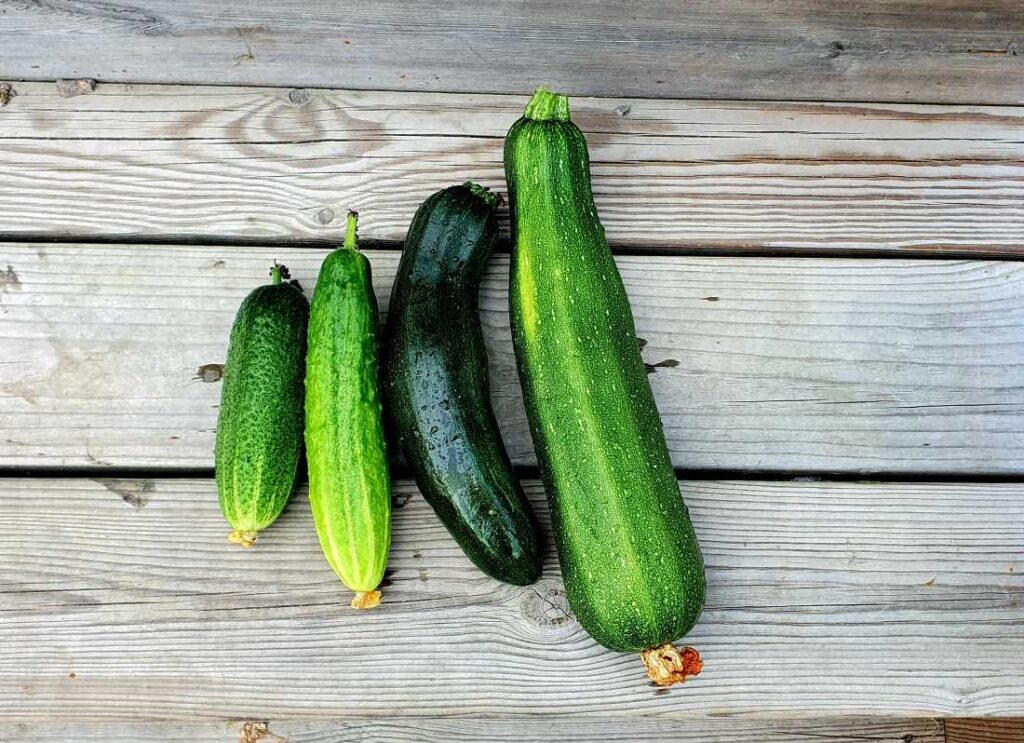
Back to the growth part! After the plant has emerged from the soil, it grows very fast! Keep watching and pay attention to the plant. Sooner or later, the plant will need a bigger pot (if you planted it in a small pot) or need to be planted in the garden (if you pre-cultivated the seed). Either way, be careful not to transplant the plant too early, as frost might damage it. The last frost should be over before you transplant the plant in the garden. I also recommend hardening it off before transplanting it. That means, taking it outside for a few hours per day for a few days.
Late spring or early June is a perfect time to move the plants outside. The warm weather will benefit the transplant seedlings. During the growing season, the plant needs full sun, lots of water, and plenty of nutrients. For the best results, ensure the plant gets rich soil. This is very important and I have not understood how important the soil is until recently. The soil is crucial for a great harvest! Therefore, examine your garden area and ensure that the hungry plants get what they need!
Another spiritual lesson for the kids to learn is this: Just as the plant needs rich, nutrient-filled soil, we need a rich and deep connection with the Lord in Heaven. The better our connection with Jesus, the better we grow and the more fruit we produce. God is always available for us. If we talk to Him and read His word regularly, we will harvest great fruits of many kinds. We do not have to worry about producing fruit; just as the plant does not worry, we will naturally bear good fruit.
